Measure the sun and the path before you buy timber
Vegetable garden ideas go wrong, in this household, when they start at the lumber yard. A beautiful raised bed that sits in half-day shade, or a winter vegetable garden planned with no thought for the actual frost date, is an expensive sculpture. The cheaper first tools are a tape measure, a notebook, and a few days of watching where the light actually falls.
A home vegetable garden can be a few containers, a single in-ground bed, a raised box, or a small plot with paths you can reach across. University extension services are the official, local place to check frost dates, varieties that will ripen in your season, and soil tests. The University of Minnesota’s pages on starting seeds indoors and on growing tomatoes are good examples of that kind of guidance: they stress days-to-harvest, light, and not starting more than you can care for. Use your own state’s Cooperative Extension for the dates that apply to your fence line. In the United Kingdom, the Royal Horticultural Society is a similarly practical official-adjacent reference for methods.
We will not invent yields, or a “best mulch” that beats every other mulch in every climate. We will compare options by space, cost, and the work you will still be doing in July.
A comparison of layouts that a beginner can actually finish
| Idea | Space and reach | What you tend to spend | Upkeep in a normal week | Choose it when |
|---|---|---|---|---|
| Containers on a step or balcony | Pots you can water without a hose dance; depth matters more than a pretty rim | Pots, a well-drained mix, and more watering | Frequent watering in heat; fewer weeds | You have sun and no soil, or you want one or two crops, not a farm |
| A single in-ground bed, maybe 4 feet across | A width you can reach from a path without walking on the soil | A soil test, compost, seed or starts, a simple fence if animals are a problem | Weeding and watering; less carpentry | The ground is workable and sunny, and you would rather improve soil than buy timber |
| A raised bed | Still a reach-across width; length to fit the yard, not a catalog photo | Timber or other sides, a large volume of soil, and a honest look at the budget | Watering can increase in raised sides; weeds still arrive | Drainage or back comfort is the issue, and you have measured twice |
| A narrow “salad strip” along a path | A short row you walk past every day | Almost nothing if the soil is already there | Easy to harvest, easy to forget if it is out of sight | You will eat leaves often and will not devote a whole weekend to infrastructure |
| A winter or shoulder-season bed | The same space, with a cover or a cold-tolerant list | Row cover or a simple cloche only if you will use it | Less glamorous watering, more attention to light and slugs | Your extension list actually includes crops that work in that season |
| A mixed plot with one trellis | Vertical space for peas, beans, or cucumbers, if the bed can take a post | A modest support, not a pergola | Tying in and watering the roots, not the whole decorative structure | You want more crop in a small footprint and will build something that will not blow over |
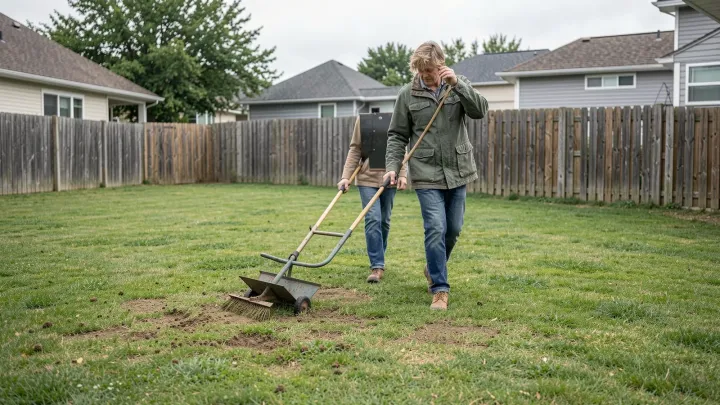
A vegetable garden layout is mostly a path plan. If you cannot reach the middle without compacting the soil, the bed is too wide. If you cannot get a barrow or a watering can to the end, the path is too clever. Draw it on paper at a scale you can measure, then stand in the yard with a hose and check the sun.
Ideas that save money after the drawing
Grow fewer kinds, and more of what you eat. A beginner vegetable garden that tries to demonstrate every crop in a magazine will waste seed and weekend hours. Two or three steady vegetables, plus a short row of herbs or salad, will teach you more.
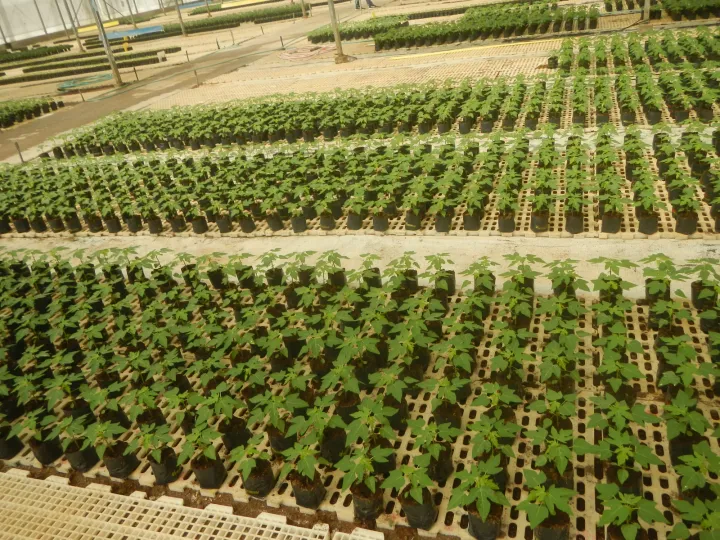
Start some things from seed, and buy starts only when the timing or the fuss is worth it. Long-season crops such as tomatoes are often started indoors or bought as plants; many beans and squashes prefer to go straight into warm soil. Extension seed-starting advice is clear that you should not buy more seed than you will use in a couple of years, and that leftover packets keep better in a cool, dry, closed container.
Mulch, once the soil is warm enough for the crop, can cut weeding and slow drying. Whether you use leaves, straw, or another clean, additive-free material, keep it off the stems if it stays wet, and do not use material from a lawn that was recently treated with a herbicide that can harm vegetables. University tomato guidance is explicit about avoiding “weed and feed” products in a food garden. That caution is cheap to obey.
Improve soil with compost in measured amounts, and test before you add a lot of fertilizer. More nitrogen is not a personality trait; on tomatoes, too much of it can give you a leafy bush that is slow to fruit, which is a poor return on a fertilizer bag.
For a winter vegetable garden, start with crops and dates from a local list, not from a milder climate’s social feed. A cover and a hopeful packet of seed will not cancel a dark, frozen month.
A practical sequence, this season and next
This year, pick the sunniest usable patch, make it no wider than your reach, and grow a short, honest list. Next year, add a trellis or a second bed only if you still wanted more in August. Photograph the plot once a month. The pictures will tell you where the puddle was, and whether the “simple path” silted over.
If you are gardening in containers, budget for water and for a mix that drains. A bargain pot without a hole is not a bargain. If you are building raised beds, budget for the soil volume with arithmetic, not optimism. Sides are often cheaper than filling them.
A checklist before you spend
- I have watched the sun on this spot through a real day
- The bed is no wider than I can reach from a path
- The crop list is short and matches my season, according to a local extension or equivalent source
- I have a soil test, or a plan to get one, before I buy much fertilizer
- Seed packets will be used within a couple of years, and stored cool and dry
- I can water this design in a normal week, not only on a holiday weekend
- Next year’s expansion depends on this year’s work, not on a bigger lumber receipt today
Questions that come up once the catalog is open
What is the best vegetable garden layout for a small yard?
The one you can reach, water, and harvest without building a maze. A single 3- to 4-foot-wide bed, or a tight group of large containers, will usually beat a complicated set of shapes. Leave space for a path that stays a path.
Do I need raised beds?
Only if they solve a problem you actually have: poor drainage, soil you cannot improve in place, or a height that saves your back. They do not automatically grow more food, and they cost more to fill.
What is the best mulch for a vegetable garden?
The best mulch is a clean material you can get, that you can apply at a sensible depth, and that will not contaminate a food crop. Compare what is local and cheap with what your extension service recommends for your soil and climate, rather than paying for a branded bag because of a slogan.
Should I start everything indoors?
No. Indoor starting is a tool for crops that need a head start, and it costs space, mix, and attention. Many seeds are happier sown outside when the soil has warmed. Check the packet and a local guide, and only fill trays you can care for.